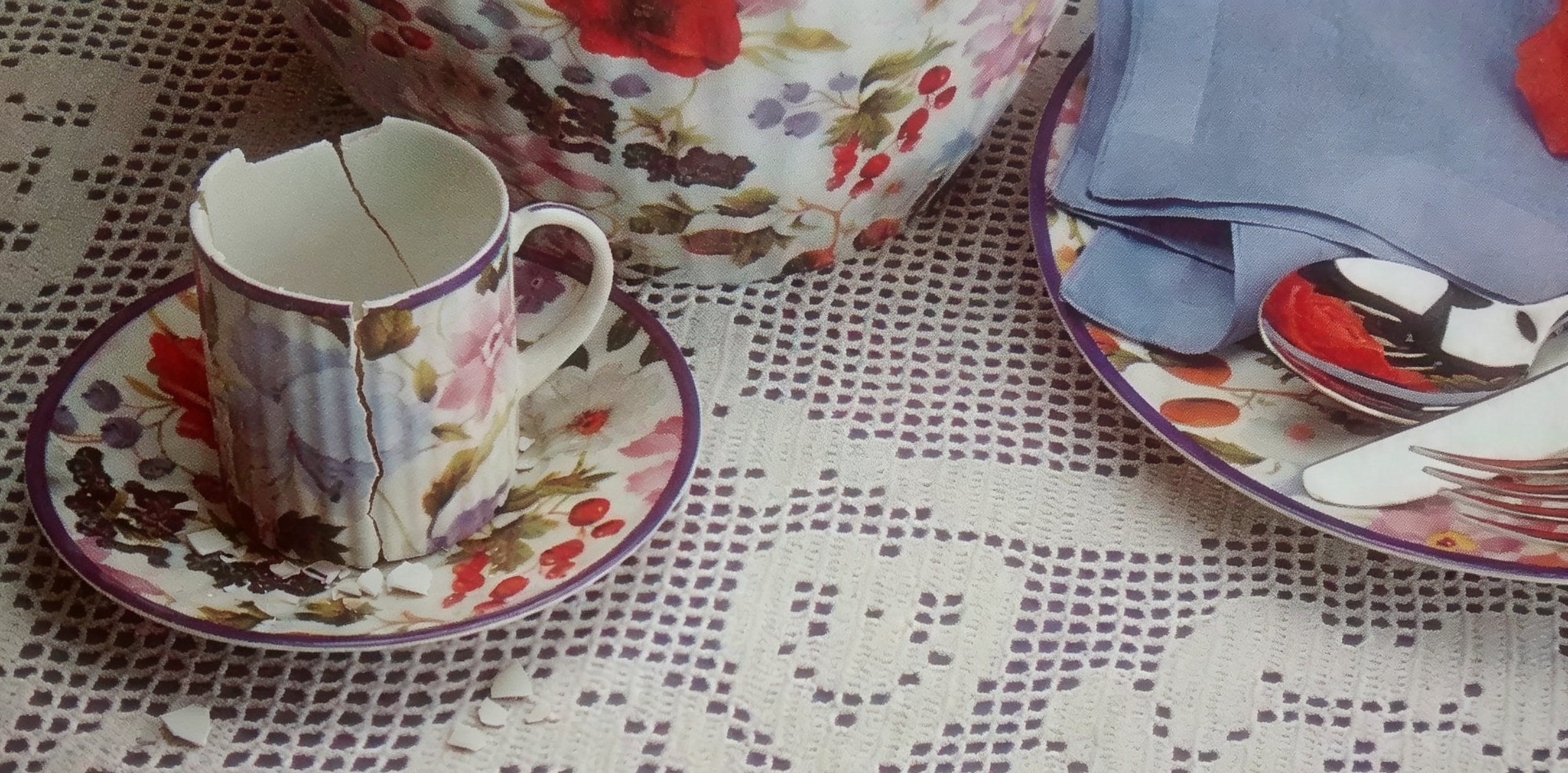
A maturidade nos entrega uma liberdade tardia e muito bonita: a de não precisar carregar o peso de agradar a todos. Olhar para trás e perceber o tempo em que aceitávamos mesas cheias por pura convenção nos faz valorizar o silêncio de quando a casa finalmente se aquieta. Gostar exige entrega, mas o direito de desgostar é o que nos devolve a calma ao corpo. Não existe nada de errado em fazer careta para o que é amargo demais ou em recusar o calor de peles que não encontram eco na nossa própria essência. A vida é curta demais para engolirmos em longos goles o que não agrada ao paladar.
No jardim, essa honestidade se resolve sem nenhum disfarce. A natureza não usa masks para negociar suas afinidades ou implicâncias. O pé de jurubeba finca suas raízes onde encontra sol e não pede desculpas por sua rusticidade. Certos canteiros rejeitam o excesso de água e os cactos erguem suas pontas de feltro e espinhos justamente para demarcar os limites do seu próprio espaço. Cada semente conhece o seu próprio tempo e o solo exato onde deseja partilhar sabor e aroma. Se até as plantas escolhem o chão que as nutre, por que nós insistiríamos em partilhar a mesa com o que já perdeu a validade?
Mariana Gouveia


Iteration is the engine of innovation — the part most people underestimate because it looks repetitive on the surface but is actually where breakthroughs are forged.
The core idea:
You don’t get innovation by thinking harder. You get it by trying, breaking, learning, and trying again — faster than everyone else.
🔁 Why iteration is the true driver of innovation
Iteration works because each cycle reduces uncertainty. Every prototype, every test, every failure gives you new information you couldn’t have predicted. That information compounds.
Here’s the real mechanism:
– Rapid cycles shrink the distance between idea and reality.
– Failure data reveals what no amount of planning can.
– Continuous refinement turns rough concepts into scalable systems.
Innovation isn’t a straight line — it’s a spiral. Each loop brings you closer to something that actually works.
—
🚀 Why iteration beats perfectionism
Perfectionism delays learning. Iteration accelerates it.
A team that ships 10 imperfect prototypes learns 10× more than a team that spends the same time polishing one “perfect” version. The fastest innovators aren’t the ones who avoid mistakes — they’re the ones who compress the time between mistakes.
This is why SpaceX lands rockets and why Tesla improves vehicles through constant software updates. The product you see today is simply the latest iteration — not the final one.
—
🔧 The non‑obvious insight
Iteration isn’t just a process; it’s a culture.
You need people who aren’t afraid to be wrong, systems that make experimentation cheap, and leadership that rewards learning over ego.
When those conditions exist, iteration becomes unstoppable.
CurtirCurtir